Ibogaine Treatment For Addiction: Does It Help?
Across the high-stakes landscape of addiction recovery in 2026, a single plant-based alkaloid has emerged as a radical, if controversial, “reset button” for the human brain. Derived from the root bark of the West African Tabernanthe iboga shrub, ibogaine is no longer just a secret of underground clinics or Bwiti spiritual practitioners. Today, it stands at the center of a $50 million clinical research push in Texas and a surge of interest from special forces veterans seeking to repair traumatic brain injuries (TBI) and severe substance use disorders (SUD). However, ibogaine also carries a significant potential for misuse, especially in unregulated contexts.
Ibogaine is classified as a Schedule I drug in the United States, indicating it has no recognized medical benefits and a high potential for misuse.
The central question remains: Does ibogaine treatment help drug addiction? For years, the answer was buried in anecdotal reports and offshore success stories. However, the data landscape of 2025 and 2026 has shifted the conversation from mysticism to molecular biology. We now weigh evidence from Stanford Medicine against the stark realities of cardiac risk. To understand if this is truly a solution, we must look at the mechanics of the “reset,” the hard statistics of abstinence, and the evolving legal frameworks that are bringing ibogaine back to American soil.
Introduction to Addiction Treatment
Addiction treatment is a journey that involves addressing not just the physical dependence on substances, but also the emotional and psychological challenges that come with substance use disorders. For individuals facing opioid use disorder or opioid dependence, finding an effective treatment can be life-changing. Ibogaine treatment has gained attention as a natural substance with the potential to help those struggling with addiction. Derived from the root bark of the Tabernanthe iboga plant, ibogaine has a long history of use in healing ceremonies in West Africa, particularly within the Bwiti religion. Today, research into ibogaine therapy suggests it may offer significant benefits for those experiencing opioid withdrawal symptoms, helping to reduce cravings and support long-term recovery. As a result, ibogaine is increasingly being considered as a promising option for treating addiction and supporting overall well-being.
1. The Biological Reset: How Ibogaine Reorders the Brain
Unlike traditional maintenance therapies like methadone or buprenorphine, which occupy opioid receptors to prevent withdrawal, ibogaine acts as a multimodal pharmacological agent. It doesn’t just block a receptor; it rewires the circuitry that governs craving and reward. According to research on ibogaine for alcohol addiction and other substances, the alkaloid’s primary metabolite, noribogaine, lingers in the system for weeks, providing a unique “prolonged window” of neuroplasticity. In small doses, ibogaine acts as a mild stimulant, helping to combat fatigue, hunger, and thirst.
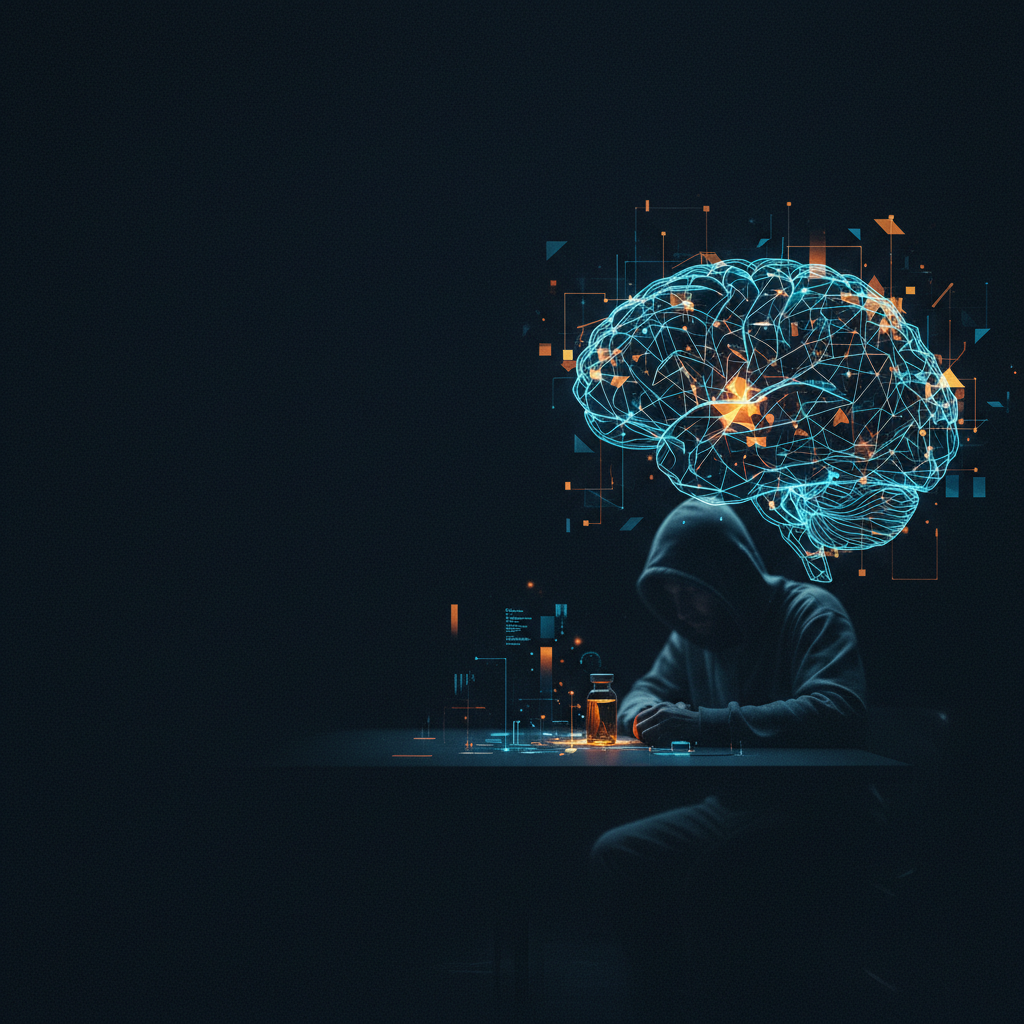
At the molecular level, ibogaine modulates multiple systems simultaneously. It interacts with multiple neurotransmitter systems, including opioid receptors, serotonin, dopamine, and NMDA receptors, as well as sigma-2 sites and serotonin transporters. Most crucially, it triggers the expression of Glial Cell-Line Derived Neurotrophic Factor (GDNF). GDNF is essentially a fertilizer for neurons; it repairs the reward-processing pathways in the ventral tegmental area (VTA) that are typically decimated by chronic drug use. This explains why patients often report a complete cessation of cravings within 24 to 48 hours—a feat nearly impossible with conventional detox methods.
The ibogaine experience is typically divided into three phases: a dream-like phase lasting 4 to 8 hours, an emotionally neutral reflective phase lasting 8 to 20 hours, and a phase of greater awareness and mild stimulation that can last up to 3 days.
The Treatment Process
The treatment process for ibogaine therapy begins with a comprehensive medical evaluation to ensure patient safety and suitability for the procedure. Once cleared, the administration of ibogaine takes place in a controlled, supervised environment, often overseen by experienced medical professionals. The ibogaine experience itself is known for its intensity—patients frequently report vivid visualizations and deep introspection, which can bring underlying issues such as depression, anxiety, or trauma to the surface. Unlike other medications used in addiction treatment, ibogaine works by directly targeting the brain’s reward system, helping to reduce the desire for opioid use and fostering a renewed sense of well-being. The process may involve a series of sessions, with ongoing therapy and support provided to help patients integrate their experiences and maintain their recovery. This holistic approach aims to address both the physical and psychological aspects of addiction, offering a unique path toward healing.
2. Hard Statistics: Efficacy Data Through 2026
The skepticism surrounding ibogaine often stems from its lack of FDA approval, but clinical data from 2024 to early 2026 tells a compelling story. In a seminal 2025 Stanford Medicine study led by Dr. Nolan Williams, the focus shifted to special operations veterans. The results were staggering: an 88% reduction in PTSD symptoms and an 87% reduction in clinical depression. While these veterans were primarily treated for TBI, many saw a secondary, total cessation of substance use dependency. Since the 1960s, many individuals have reported that a single dose of ibogaine can help reduce cravings and withdrawal symptoms from substances like opioids and cocaine, with some claiming it can prevent relapse for extended periods.
Specifically regarding opioid use disorder (OUD), the numbers are consistent. In trials replicated by researchers like Deborah Mash (2018–2024), 76% of patients achieved total opioid withdrawal resolution within 24 hours. A retrospective 2024 meta-analysis in the Journal of Substance Abuse Treatment found that 61% of individuals reported total abstinence at a median of 5.5 months following a single dose. Compared to the roughly 20-30% success rate of standard residential rehab, ibogaine represents a massive statistical outlier. However, a 2022 evaluation of research on psychedelic medications concluded that ibogaine may not effectively reduce short-term opioid withdrawal symptoms and its long-term efficacy for long term opioid use remains unclear.
3. The Cardiac Conundrum and Safety protocols
We cannot ignore the shadows. Ibogaine is not a casual “miracle cure”; it is a potent cardiotoxin when administered improperly and can cause serious heart problems, which led to the cessation of research in the United States in the 1990s. The primary risk is hERG channel inhibition, which can lead to QT prolongation and potentially fatal arrhythmias. A 2025 scoping review found that cardiac risks occur in roughly 2-5% of unsupervised cases. More than 30 deaths have been linked to ibogaine in the last 40 years, with most of these cases related to heart failure; in some instances, morphine and fentanyl were also present, increasing the risk of fatal outcomes. The unregulated nature of ibogaine means a person could purchase it without knowing its contents or the proper dosage, further increasing the risk of adverse effects. Additionally, the intensity of the ibogaine experience can trigger panic attacks, psychosis, or mania. This is why the contemporary push emphasizes supervised ibogaine treatment protocols that require pre-treatment ECGs and electrolyte monitoring (specifically magnesium and potassium).
In supervised medical environments, such as those found in a reputable clinic in Mexico or New Zealand, the fatality rate drops significantly. By the spring of 2026, the medical community has coalesced around a “staggered dosing” strategy. A doctor now initiates treatment with a 2mg/kg test dose, followed by a heavier flood dose only if cardiac stability is confirmed. Therapists play a crucial role in supporting patients throughout the process, providing evidence-based therapy and comprehensive care. This protocol transforms ibogaine from a dangerous gamble into a calculated medical intervention.
4. Ibogaine vs. Conventional Maintenance
The standard of care for addiction in the US has long been “Medication-Assisted Treatment” (MAT). While effective at harm reduction, MAT often involves substituting one dependency for another. Methadone and buprenorphine require daily adherence and can carry years of side effects. Ibogaine treatment programs typically include a comprehensive approach that addresses the physical, psychological, and spiritual aspects of addiction. Ibogaine represents a “single-dose” paradigm that is fundamentally contrarian to the chronic illness model of addiction.
The trade-off is intensity. An ibogaine session is a 24- to 72-hour ordeal involving intense visionary states, ataxia (loss of motor coordination), and profound nausea. However, for those who have failed traditional rehab five or ten times, the upfront intensity is a price they are increasingly willing to pay to achieve the “brain reset” that chronic medications do not provide. Ibogaine can serve as an aid in the recovery process by helping to address substance use disorders and support long-term abstinence.
Supporting a Loved One
Supporting a loved one through addiction is often a challenging and emotional process. It’s important to approach the situation with compassion, recognizing that addiction is a complex disease that requires professional treatment and understanding. If someone you care about is considering ibogaine treatment, taking the time to educate yourself about ibogaine therapy, its potential benefits, and its risks is crucial. Open communication with healthcare providers can help address concerns about safety, possible interactions with other medications, and the overall treatment plan. Being aware of the available options and offering a supportive, nonjudgmental presence can make a significant difference in your loved one’s recovery journey. Encouragement, patience, and informed advocacy can help your loved one feel understood and motivated as they pursue therapy and healing.
5. The Legal Tide: From Schedule I to State Funding
As of mid-2026, ibogaine remains a Schedule I substance federally in the United States, alongside heroin. However, compared to other substances like cannabis, ibogaine's legal status varies widely around the world—some countries allow it for medical purposes, others control it strictly, and some have no specific regulations. Ibogaine is legal in several countries, including Australia, Finland, New Zealand, and Uruguay, while in countries like Brazil, Canada, Denmark, Hungary, and South Africa, it can only be prescribed by a doctor. In places such as Mexico, the Netherlands, Germany, and Gabon, there are no specific regulations regarding ibogaine, allowing for its use in treatment facilities. As of 2026, an executive order was passed in the U.S. to accelerate research on ibogaine for treating mental health and substance use disorders, indicating a potential shift in its legal status in the future.
Yet, the legal landscape is fracturing at the state level. Following the lead of Oregon and Colorado with psilocybin, states like Texas and Arizona have allocated millions to fund ibogaine clinical trials. Texas, in particular, authorized $50 million in June 2025 specifically for the study of ibogaine in treating PTSD and OUD in veterans.
This “state-first” momentum is bypassing the traditional 20-year FDA drug development cycle. In many ways, it creates a two-tiered system: those who participate in state-sanctioned research and those who travel to clinical hubs in Mexico or Costa Rica, where treatment costs range from $5,000 to $15,000 per session. For many in late-stage addiction, the travel cost is lower than the price of a single month’s drug habit or a failed 30-day rehab stint.
6. The Role of the "Visionary Phase"
One cannot discuss ibogaine’s effectiveness without addressing its psychoactive component. Participants describe the “dreaming phase” as a waking REM state where they “watch a movie” of their lives. Researchers originally viewed this as a side effect; now, it is seen as an essential therapeutic tool. This introspective phase allows users to process the trauma at the root of their addiction, and for many, stress—especially among first responders—plays a significant role in mental health challenges and substance use issues. The high-stress nature of their jobs increases vulnerability to addiction, highlighting the need for specialized treatment to address these stress-related risks. This is why integrated post-treatment therapy is so vital.
Experts suggest that the visionary state provides the “why” to the brain’s “how.” If the GDNF repairs the physical reward circuit, the visions allow the individual to reconcile the psychological reasons they began using drugs in the first place. This two-pronged attack—biological and psychological—is what gives ibogaine its enduring efficacy.
Choosing the Right Treatment
Selecting the most appropriate treatment for addiction involves considering several factors, including the specific substance use disorder, the severity of withdrawal symptoms, and any co-occurring mental health conditions such as depression or anxiety. Ibogaine treatment has shown promise in reducing opioid withdrawal symptoms and supporting long-term recovery, but it’s important to weigh all available options. A comprehensive approach to treating addiction often combines medication, therapy, and support groups to address the full spectrum of symptoms and challenges. In several countries, including Mexico, specialized clinics offer ibogaine therapy as part of a broader treatment plan. By researching different approaches and consulting with medical professionals, individuals can make informed decisions that best support their recovery and overall well-being. Understanding the unique benefits and considerations of ibogaine treatment can empower patients and families to choose the path that aligns with their needs and goals.
7. Conclusion: The Path Forward in 2026
Does ibogaine treatment help drug addiction? The evidence in 2026 points toward a resounding "yes" for acute withdrawal resolution and a "most likely" for long-term recovery when combined with psychological integration. It is not a magic wand, and it is certainly not for everyone—those with pre-existing heart conditions must remain excluded.
However, as we face an overdose crisis that kills over 100,000 Americans annually, the risk-benefit analysis of ibogaine is shifting. With the emergence of safer analogs like 18-MC (currently in late-phase trials by DemeRx), we are approaching a future where the "iboga effect" may be accessible without the cardiac risk or the visionary trip. For now, it remains a powerful, high-stakes intervention for those at the end of their rope, offering a chance to start back at zero—biologically, psychologically, and spiritually.